Buy esfa.eu ?
We are moving the project
esfa.eu .
Are you interested in purchasing the domain
esfa.eu ?
domain@kv-gmbh.de · 0541-91531010
Buy esfa.eu ?
What is the difference between damping factor and damping mass?
Damping factor is a measure of how effectively a system can dissipate energy, and it is typically represented as a ratio of the actual damping in a system to the critical damping. Damping mass, on the other hand, refers to the mass that is used to dissipate energy in a system, such as in a vibration damping system. In other words, damping factor is a measure of the effectiveness of the damping in a system, while damping mass is the physical mass that is used to provide damping in a system. **
What is the damping factor?
The damping factor is a parameter used in engineering and physics to describe the rate at which oscillations in a system decay over time. It is a measure of how quickly the system returns to equilibrium after being disturbed. A higher damping factor indicates faster decay of oscillations, leading to a quicker stabilization of the system. In contrast, a lower damping factor results in slower decay of oscillations, potentially leading to prolonged oscillations or even instability in the system. **
Similar search terms for Damping
Top-Angebote
Products related to Damping:
-
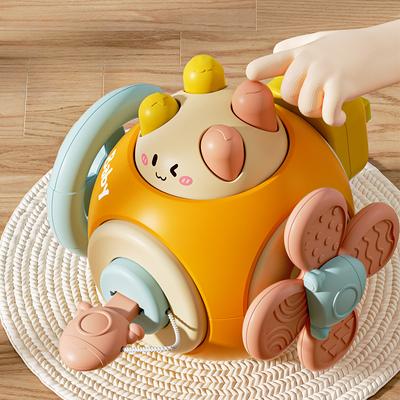
Tiny Tots Teens Trends Montessori Baby Training, Infant Puzzle Early Education Toys, Busy Hand Grasping Ball For Baby Montessori Baby Training, Infant Puzzle Early Education Toys, Busy Hand Grasping Ball For BabyIntroduce Your Baby to the World of Learning The Infant Puzzle Early Education Toys are designed to foster cognitive and physical development in your little one. This Multifunctional Busy Ball for Montessori Baby Training is ideal for enhancing...79,97 $*Shipping: 0,00 $Secure redirect to the provider
-
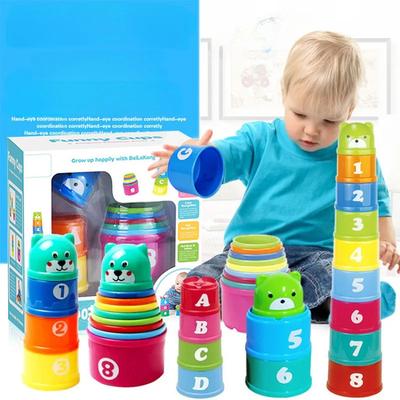
Modern Mode Marketplace Brain Response Battle Cup Set Fun Baby Stack Game For Early Education, Speed And HandEye Coordination Training Brain Response Battle Cup Set Fun Baby Stack Game For Early Education, Speed And HandEye Coordination TrainingUnlock your child's potential with the Brain Response Battle Cup Set! Perfect for young learners, this exciting game combines fun and education to develop handeye coordination and response speed. Ideal for babies and toddlers, it helps improve...29,97 $*Shipping: 0,00 $Secure redirect to the provider
-
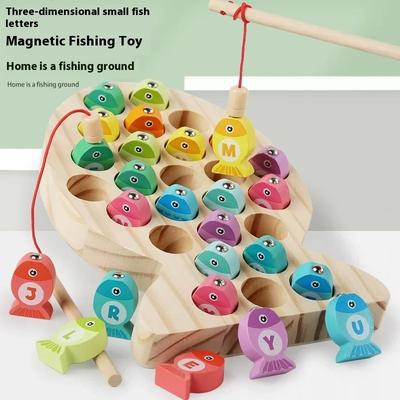
Inspire Select Wooden Montessori Fishing Toy Set Kids Number & Alphabet Learning Game For Early Education Training lettersMake learning fun and interactive with a playful educational experience. This Montessori fishing toy helps children develop essential skills while enjoying handson play. Designed for toddlers and young kids, this wooden learning toy combines...96,97 $*Shipping: 0,00 $Secure redirect to the provider
-
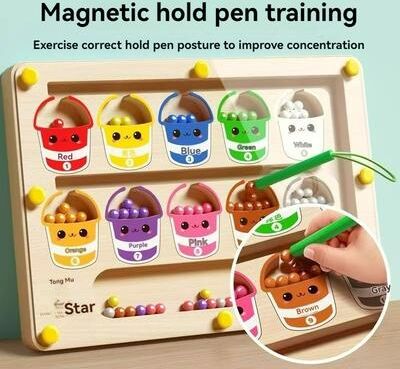
Multisell Products Hub Magnetic Maze Walking Ball, Children's Early Education Puzzle, Baby Concentration And Logic Thinking Training mediumImprove Concentration with Fun Learning: Introducing the Children's Magnetic Maze Walking Ball, an engaging tool that fosters your childs concentration and cognitive skills. This interactive game is designed to help develop logic thinking while...27,97 $*Shipping: 0,00 $Secure redirect to the provider
-
How do you calculate the damping factor?
The damping factor can be calculated by dividing the actual damping coefficient of a system by the critical damping coefficient. The critical damping coefficient is calculated by multiplying the mass of the system by the square root of the spring constant. Once you have both values, you can divide the actual damping coefficient by the critical damping coefficient to determine the damping factor of the system. A damping factor greater than 1 indicates an overdamped system, a factor of 1 represents critical damping, and a factor less than 1 signifies an underdamped system. **
-
When does the damping ratio apply to vibrations?
The damping ratio applies to vibrations when there is damping present in the system. Damping is a force that opposes the motion of the vibrating system, causing the amplitude of the vibrations to decrease over time. The damping ratio is a measure of how quickly the vibrations in the system decay. A higher damping ratio indicates faster decay of vibrations, while a lower damping ratio indicates slower decay. **
-
What unit does damping have in harmonic oscillation?
Damping in harmonic oscillation is typically measured in units of velocity per unit of displacement, or in units of force per unit of velocity. This is because damping represents the rate at which the oscillation's energy is dissipated, which can be quantified in terms of the velocity or force acting on the oscillating system. Therefore, the unit of damping depends on the specific context and the physical quantities involved in the oscillation. **
-
What is the difference between damping and suspension?
Damping refers to the process of controlling the oscillations and vibrations in a vehicle by dissipating the kinetic energy. This is typically achieved through the use of shock absorbers or dampers. On the other hand, suspension refers to the system that supports the vehicle and its load, providing a smooth and controlled ride over uneven surfaces. The suspension system includes components such as springs, struts, and control arms, which work together to absorb shocks and maintain stability. In summary, damping is a specific aspect of the suspension system that focuses on controlling vibrations and oscillations, while suspension encompasses the entire system that supports the vehicle and provides a comfortable ride. **

What is a frequency-dependent damping multiswitch by Kathrein?
A frequency-dependent damping multiswitch by Kathrein is a device used in satellite and cable TV systems to distribute signals to multiple receivers. It is designed to minimize signal loss and interference by adjusting the damping level based on the frequency of the signal being transmitted. This helps to ensure that each receiver receives a strong and clear signal, improving overall system performance. The multiswitch is a crucial component in ensuring reliable and high-quality signal distribution in multi-dwelling units or commercial buildings. **
How do you calculate the damping in a simple pendulum?
The damping in a simple pendulum can be calculated by measuring the decrease in amplitude of the pendulum's oscillations over time. This can be done by recording the amplitude of the pendulum's swing at regular intervals and plotting a graph of amplitude against time. The damping can then be determined by fitting an exponential decay curve to the data and calculating the damping coefficient from the curve's equation. Another method is to measure the period of the pendulum's oscillations and observe how it changes over time, as the damping will cause the period to increase. **
Top-Angebote
Products related to Damping:
-
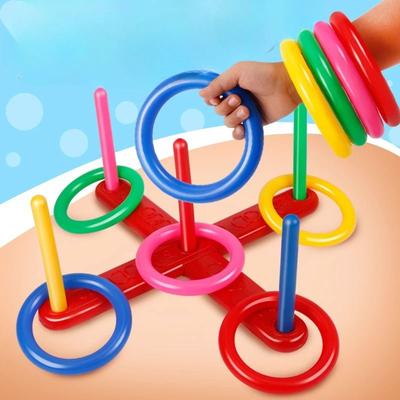
Uplifted Finds Interactive Ring Toss Training System Professional Early Education & Pediatric Fitness Infrastructure Interactive Ring Toss Training System Professional Early Education & Pediatric Fitness InfrastructureCommand ultimate developmental confidence with the Interactive Ring Toss Training System, a highperformance educational solution specifically engineered to act as a comprehensive tool for elite organization and superior technical ergonomics. Built...52,97 $*Shipping: 0,00 $Secure redirect to the provider
-
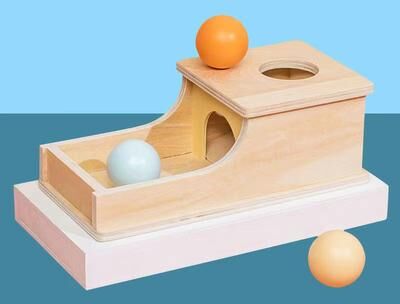
Tiny Tots Teens Trends Drawer Game Early Education Montessori Wooden Pitch Ball Box Preschool Learning Training Toy Drawer Game Early Education Montessori Wooden Pitch Ball Box Preschool Learning Training ToyThis Montessori Wooden Pitch Ball Box Drawer Game is a thoughtfully designed earlyeducation toy that transforms playtime into purposeful learning. Crafted for toddlers and preschoolers, it offers a handson, engaging way to support key developmental...39,97 $*Shipping: 0,00 $Secure redirect to the provider
-
Tiny Tots Teens Trends Montessori Baby Training, Infant Puzzle Early Education Toys, Busy Hand Grasping Ball For Baby Montessori Baby Training, Infant Puzzle Early Education Toys, Busy Hand Grasping Ball For BabyIntroduce Your Baby to the World of Learning The Infant Puzzle Early Education Toys are designed to foster cognitive and physical development in your little one. This Multifunctional Busy Ball for Montessori Baby Training is ideal for enhancing...79,97 $*Shipping: 0,00 $Secure redirect to the provider
-
Modern Mode Marketplace Brain Response Battle Cup Set Fun Baby Stack Game For Early Education, Speed And HandEye Coordination Training Brain Response Battle Cup Set Fun Baby Stack Game For Early Education, Speed And HandEye Coordination TrainingUnlock your child's potential with the Brain Response Battle Cup Set! Perfect for young learners, this exciting game combines fun and education to develop handeye coordination and response speed. Ideal for babies and toddlers, it helps improve...29,97 $*Shipping: 0,00 $Secure redirect to the provider
-
What is the difference between damping factor and damping mass?
Damping factor is a measure of how effectively a system can dissipate energy, and it is typically represented as a ratio of the actual damping in a system to the critical damping. Damping mass, on the other hand, refers to the mass that is used to dissipate energy in a system, such as in a vibration damping system. In other words, damping factor is a measure of the effectiveness of the damping in a system, while damping mass is the physical mass that is used to provide damping in a system. **
-
What is the damping factor?
The damping factor is a parameter used in engineering and physics to describe the rate at which oscillations in a system decay over time. It is a measure of how quickly the system returns to equilibrium after being disturbed. A higher damping factor indicates faster decay of oscillations, leading to a quicker stabilization of the system. In contrast, a lower damping factor results in slower decay of oscillations, potentially leading to prolonged oscillations or even instability in the system. **
-
How do you calculate the damping factor?
The damping factor can be calculated by dividing the actual damping coefficient of a system by the critical damping coefficient. The critical damping coefficient is calculated by multiplying the mass of the system by the square root of the spring constant. Once you have both values, you can divide the actual damping coefficient by the critical damping coefficient to determine the damping factor of the system. A damping factor greater than 1 indicates an overdamped system, a factor of 1 represents critical damping, and a factor less than 1 signifies an underdamped system. **
-
When does the damping ratio apply to vibrations?
The damping ratio applies to vibrations when there is damping present in the system. Damping is a force that opposes the motion of the vibrating system, causing the amplitude of the vibrations to decrease over time. The damping ratio is a measure of how quickly the vibrations in the system decay. A higher damping ratio indicates faster decay of vibrations, while a lower damping ratio indicates slower decay. **
Similar search terms for Damping
-
Inspire Select Wooden Montessori Fishing Toy Set Kids Number & Alphabet Learning Game For Early Education Training lettersMake learning fun and interactive with a playful educational experience. This Montessori fishing toy helps children develop essential skills while enjoying handson play. Designed for toddlers and young kids, this wooden learning toy combines...96,97 $*Shipping: 0,00 $Secure redirect to the provider
-
Multisell Products Hub Magnetic Maze Walking Ball, Children's Early Education Puzzle, Baby Concentration And Logic Thinking Training mediumImprove Concentration with Fun Learning: Introducing the Children's Magnetic Maze Walking Ball, an engaging tool that fosters your childs concentration and cognitive skills. This interactive game is designed to help develop logic thinking while...27,97 $*Shipping: 0,00 $Secure redirect to the provider
-
Football Flick Urban Skills Training Rebounder and Net Black & Orange 75cm H X 80cm W X 120cm DThe Flick Urban Skills Trainer is the number one piece of equipment you need for your garden or football club. The unique design is scientifically proven to improve your core skills by up to 73%. Pass the ball to the front ramp and watch the ball come back to you at different heights and angles. Use the rebounder net on the reverse side to improve your touch and control or use the net in the middle of the trainer as a target to help your accuracy. The tunnel that runs through the rebounder ensures your passing improves over time. The Urban skills trainer has been designed to be used individually but has also helped hundreds of football coaches develop players at academy and professional level. The double sided rebounder is perfect for players of all abilities and provides the perfect mixture of training and fun. When you’re finished with your Skills Trainer, simply fold it down flat and store it in its very own carry bag. Football Flick114,99 £*Shipping: 0,00 £Secure redirect to the provider
-
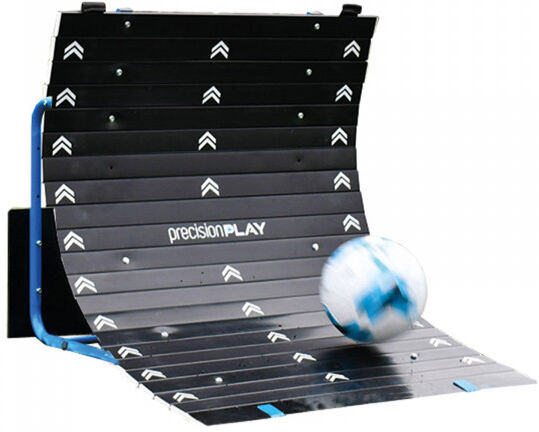
PrecisionPLAY Skills Trainer Ramp RebounderPrecisionPLAY Skills Trainer Ramp Rebounder packs several training options into one setup. The angled ramp sends the ball back at different heights and angles. Good for control, volleys and quick reactions.Behind the ramp, a rebound board returns passes straight to your feet. In the centre, a...129,95 £*Shipping: 0,00 £Secure redirect to the provider
-
What unit does damping have in harmonic oscillation?
Damping in harmonic oscillation is typically measured in units of velocity per unit of displacement, or in units of force per unit of velocity. This is because damping represents the rate at which the oscillation's energy is dissipated, which can be quantified in terms of the velocity or force acting on the oscillating system. Therefore, the unit of damping depends on the specific context and the physical quantities involved in the oscillation. **
-
What is the difference between damping and suspension?
Damping refers to the process of controlling the oscillations and vibrations in a vehicle by dissipating the kinetic energy. This is typically achieved through the use of shock absorbers or dampers. On the other hand, suspension refers to the system that supports the vehicle and its load, providing a smooth and controlled ride over uneven surfaces. The suspension system includes components such as springs, struts, and control arms, which work together to absorb shocks and maintain stability. In summary, damping is a specific aspect of the suspension system that focuses on controlling vibrations and oscillations, while suspension encompasses the entire system that supports the vehicle and provides a comfortable ride. **
-
What is a frequency-dependent damping multiswitch by Kathrein?
A frequency-dependent damping multiswitch by Kathrein is a device used in satellite and cable TV systems to distribute signals to multiple receivers. It is designed to minimize signal loss and interference by adjusting the damping level based on the frequency of the signal being transmitted. This helps to ensure that each receiver receives a strong and clear signal, improving overall system performance. The multiswitch is a crucial component in ensuring reliable and high-quality signal distribution in multi-dwelling units or commercial buildings. **
-
How do you calculate the damping in a simple pendulum?
The damping in a simple pendulum can be calculated by measuring the decrease in amplitude of the pendulum's oscillations over time. This can be done by recording the amplitude of the pendulum's swing at regular intervals and plotting a graph of amplitude against time. The damping can then be determined by fitting an exponential decay curve to the data and calculating the damping coefficient from the curve's equation. Another method is to measure the period of the pendulum's oscillations and observe how it changes over time, as the damping will cause the period to increase. **
* All prices are inclusive of VAT and, if applicable, plus shipping costs. The offer information is based on the details provided by the respective shop and is updated through automated processes. Real-time updates do not occur, so deviations can occur in individual cases. ** Note: Parts of this content were created by AI.