Buy esfa.eu ?
We are moving the project
esfa.eu .
Are you interested in purchasing the domain
esfa.eu ?
domain@kv-gmbh.de · 0541-91531010
Buy esfa.eu ?
What is self-regulation in psychology and education?
Self-regulation in psychology and education refers to the ability to manage and control one's thoughts, emotions, and behaviors in order to achieve personal and academic goals. It involves skills such as setting and monitoring progress towards goals, managing time effectively, and regulating emotions and impulses. In psychology, self-regulation is seen as a key component of emotional and behavioral self-control, while in education, it is considered essential for academic success and lifelong learning. Effective self-regulation is associated with better academic performance, improved social skills, and overall well-being. **
Why do I have to adhere to the USK and FSK self-regulation if it's self-regulation?
Adhering to the USK and FSK self-regulation is important because it helps ensure that the content of video games and films is appropriate for different age groups. By following these self-regulation guidelines, developers and producers can help protect children from exposure to content that may not be suitable for their age. Additionally, adhering to these guidelines can help maintain a positive public image and avoid potential legal issues related to the distribution of inappropriate content. Ultimately, self-regulation is important for promoting responsible and ethical content creation within the entertainment industry. **
Similar search terms for Self-regulation
Top-Angebote
Products related to Self-regulation:
-
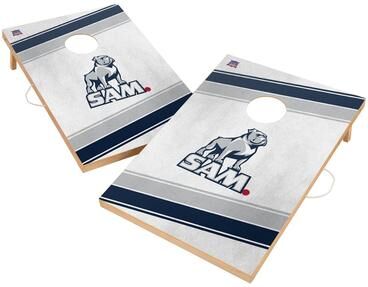
Skip's Garage Samford Bulldogs Regulation 2x4 Cornhole Set"These boards are Regulation Sized 2x4 (24"" Wide x 48"" Long). They are built with Premium Wood 1x4 Frames and Solid Wood 2x3's for the legs. Both boards feature a 1/2"" Sanded Birch Plywood Surface for perfect playability."311,99 $*Shipping: 0,00 $Secure redirect to the provider
-
Skip's Garage Denver Pioneers Regulation 2x4 Cornhole Set"These boards are Regulation Sized 2x4 (24"" Wide x 48"" Long). They are built with Premium Wood 1x4 Frames and Solid Wood 2x3's for the legs. Both boards feature a 1/2"" Sanded Birch Plywood Surface for perfect playability."311,49 $*Shipping: 0,00 $Secure redirect to the provider
-
Skip's Garage Hartford Hawks Regulation 2x4 Cornhole Set"These boards are Regulation Sized 2x4 (24"" Wide x 48"" Long). They are built with Premium Wood 1x4 Frames and Solid Wood 2x3's for the legs. Both boards feature a 1/2"" Sanded Birch Plywood Surface for perfect playability."311,49 $*Shipping: 0,00 $Secure redirect to the provider
-
Skip's Garage Indianapolis Greyhounds Regulation 2x4 Cornhole Set"These boards are Regulation Sized 2x4 (24"" Wide x 48"" Long). They are built with Premium Wood 1x4 Frames and Solid Wood 2x3's for the legs. Both boards feature a 1/2"" Sanded Birch Plywood Surface for perfect playability."295,99 $*Shipping: 0,00 $Secure redirect to the provider



-
How does self-regulation work in a grazed meadow?
In a grazed meadow, self-regulation occurs through a balance between the grazing animals and the available vegetation. Grazing animals such as cows, sheep, or deer consume the grass and other plants in the meadow, which stimulates new growth and prevents any one species from dominating the ecosystem. As the animals consume the vegetation, they also deposit organic matter in the form of manure, which helps to fertilize the soil and promote further plant growth. This self-regulating process helps to maintain a diverse and healthy ecosystem in the meadow. **
-
What are the possibilities of self-regulation in the forest?
Self-regulation in the forest is primarily carried out by the various organisms and ecological processes that make up the forest ecosystem. For example, trees and plants self-regulate by competing for sunlight, water, and nutrients, which helps to maintain a balance in the forest. Additionally, predator-prey relationships and natural disturbances such as wildfires and disease outbreaks also play a role in self-regulating the forest ecosystem. Human intervention, such as sustainable forestry practices and conservation efforts, can also contribute to the self-regulation of the forest by maintaining a healthy balance of species and ecological processes. **
-
How does market regulation work in vocational education and training?
Market regulation in vocational education and training typically involves government oversight to ensure quality standards are met and maintained. This can include setting minimum requirements for program accreditation, instructor qualifications, and student outcomes. Additionally, market regulation may involve monitoring and enforcing compliance with these standards through inspections, audits, and penalties for non-compliance. The goal of market regulation in vocational education and training is to protect students, employers, and the overall integrity of the education and training system. **
-
What exactly are environmental influences and self-regulation, and what are the differences between them in education?
Environmental influences refer to external factors that can impact an individual's behavior and development, such as family, peers, school, and community. Self-regulation, on the other hand, is an individual's ability to manage their thoughts, emotions, and behaviors in order to achieve goals and adapt to different situations. In education, environmental influences can shape a student's learning environment and opportunities, while self-regulation plays a crucial role in a student's ability to focus, set goals, and persist in their learning. The key difference between the two is that environmental influences come from external sources, while self-regulation is an internal process controlled by the individual. **


What does the educational program Kita Risk Assessment and Self-Regulation include?
The educational program Kita Risk Assessment and Self-Regulation includes tools and strategies to help children identify and manage risks in their environment. It also focuses on teaching children how to regulate their emotions and behavior in different situations. The program aims to empower children to make informed decisions and develop skills to keep themselves safe. Additionally, it provides guidance for educators on how to support children in developing these important skills. **
What exactly are the learning environment and self-regulation, and what are the differences between them in education?
The learning environment refers to the physical, social, and emotional context in which learning takes place. It includes factors such as the classroom layout, resources, teacher-student interactions, and peer relationships. Self-regulation, on the other hand, refers to the ability of students to manage their own thoughts, behaviors, and emotions in order to achieve their learning goals. It involves skills such as setting goals, monitoring progress, and adapting strategies to meet challenges. The main difference between the learning environment and self-regulation is that the learning environment refers to the external factors that influence learning, while self-regulation refers to the internal processes that enable students to take control of their own learning. The learning environment sets the stage for learning, providing the resources and support necessary for students to engage in self-regulated learning. In essence, the learning environment creates the conditions for self-regulation to occur. **
Top-Angebote
Products related to Self-regulation:
-
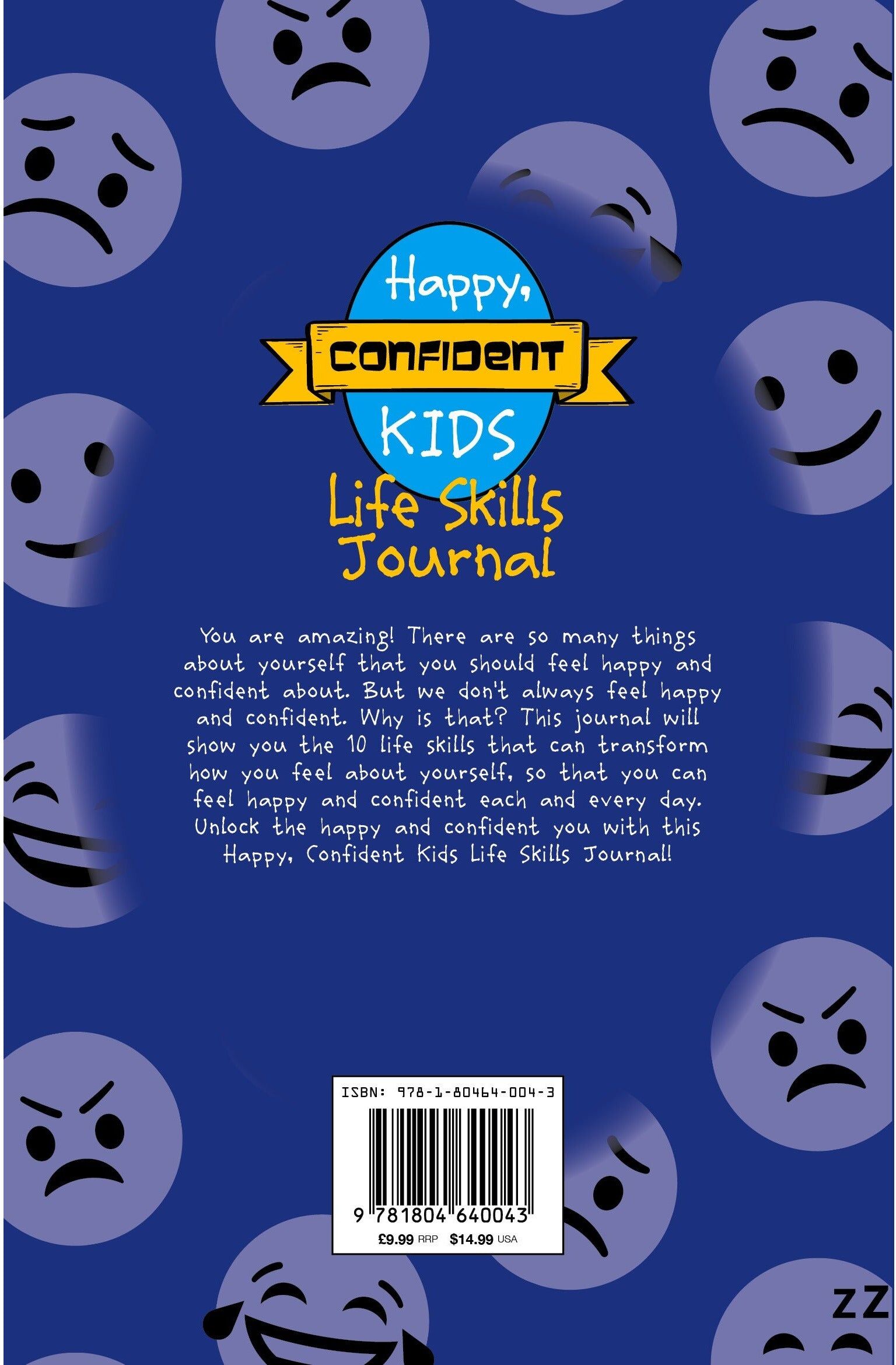
IT 4 Consultancy FZCO Happy Confident Kids Life Skills Journal – Mindfulness & Self-Esteem Collection for KidsYou are amazing! There are so many things about yourself that you should feel happy and confident about. But we don't always feel happy and confident. Why is that? This journal will show you the 10 life skills that can transform how you feel about yourself, so that you can feel happy and confident each and every day. Unlock the happy and confident you with this Happy, Confident Kids Life Skills Journal! Related Tags: self esteem,self confidence,life skills,happy journal,self belief,self help skills,skills for life,self esteem books,improve self esteem,happy me journal,life me,happy confident me journal,increase self esteem,resilience skills,confidence and self esteem,self esteem journal,the happiness journal,life skills book,developing self esteem,self books,develop self confidence,happy confident me,life skill development,happy confident me super journal,self confidence journal1,99 £*Shipping: 1,99 £Secure redirect to the provider
-
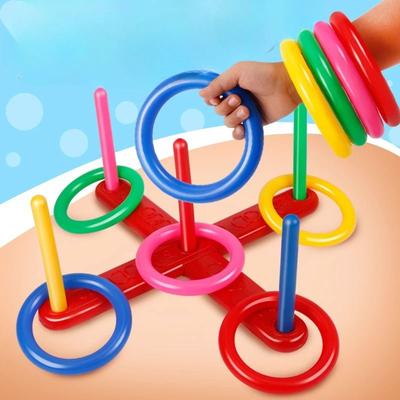
Uplifted Finds Interactive Ring Toss Training System Professional Early Education & Pediatric Fitness Infrastructure Interactive Ring Toss Training System Professional Early Education & Pediatric Fitness InfrastructureCommand ultimate developmental confidence with the Interactive Ring Toss Training System, a highperformance educational solution specifically engineered to act as a comprehensive tool for elite organization and superior technical ergonomics. Built...52,97 $*Shipping: 0,00 $Secure redirect to the provider
-
Skip's Garage Samford Bulldogs Regulation 2x4 Cornhole Set"These boards are Regulation Sized 2x4 (24"" Wide x 48"" Long). They are built with Premium Wood 1x4 Frames and Solid Wood 2x3's for the legs. Both boards feature a 1/2"" Sanded Birch Plywood Surface for perfect playability."311,99 $*Shipping: 0,00 $Secure redirect to the provider
-
Skip's Garage Denver Pioneers Regulation 2x4 Cornhole Set"These boards are Regulation Sized 2x4 (24"" Wide x 48"" Long). They are built with Premium Wood 1x4 Frames and Solid Wood 2x3's for the legs. Both boards feature a 1/2"" Sanded Birch Plywood Surface for perfect playability."311,49 $*Shipping: 0,00 $Secure redirect to the provider
-
What is self-regulation in psychology and education?
Self-regulation in psychology and education refers to the ability to manage and control one's thoughts, emotions, and behaviors in order to achieve personal and academic goals. It involves skills such as setting and monitoring progress towards goals, managing time effectively, and regulating emotions and impulses. In psychology, self-regulation is seen as a key component of emotional and behavioral self-control, while in education, it is considered essential for academic success and lifelong learning. Effective self-regulation is associated with better academic performance, improved social skills, and overall well-being. **
-
Why do I have to adhere to the USK and FSK self-regulation if it's self-regulation?
Adhering to the USK and FSK self-regulation is important because it helps ensure that the content of video games and films is appropriate for different age groups. By following these self-regulation guidelines, developers and producers can help protect children from exposure to content that may not be suitable for their age. Additionally, adhering to these guidelines can help maintain a positive public image and avoid potential legal issues related to the distribution of inappropriate content. Ultimately, self-regulation is important for promoting responsible and ethical content creation within the entertainment industry. **
-
How does self-regulation work in a grazed meadow?
In a grazed meadow, self-regulation occurs through a balance between the grazing animals and the available vegetation. Grazing animals such as cows, sheep, or deer consume the grass and other plants in the meadow, which stimulates new growth and prevents any one species from dominating the ecosystem. As the animals consume the vegetation, they also deposit organic matter in the form of manure, which helps to fertilize the soil and promote further plant growth. This self-regulating process helps to maintain a diverse and healthy ecosystem in the meadow. **
-
What are the possibilities of self-regulation in the forest?
Self-regulation in the forest is primarily carried out by the various organisms and ecological processes that make up the forest ecosystem. For example, trees and plants self-regulate by competing for sunlight, water, and nutrients, which helps to maintain a balance in the forest. Additionally, predator-prey relationships and natural disturbances such as wildfires and disease outbreaks also play a role in self-regulating the forest ecosystem. Human intervention, such as sustainable forestry practices and conservation efforts, can also contribute to the self-regulation of the forest by maintaining a healthy balance of species and ecological processes. **
Similar search terms for Self-regulation
-
Skip's Garage Hartford Hawks Regulation 2x4 Cornhole Set"These boards are Regulation Sized 2x4 (24"" Wide x 48"" Long). They are built with Premium Wood 1x4 Frames and Solid Wood 2x3's for the legs. Both boards feature a 1/2"" Sanded Birch Plywood Surface for perfect playability."311,49 $*Shipping: 0,00 $Secure redirect to the provider
-
Skip's Garage Indianapolis Greyhounds Regulation 2x4 Cornhole Set"These boards are Regulation Sized 2x4 (24"" Wide x 48"" Long). They are built with Premium Wood 1x4 Frames and Solid Wood 2x3's for the legs. Both boards feature a 1/2"" Sanded Birch Plywood Surface for perfect playability."295,99 $*Shipping: 0,00 $Secure redirect to the provider
-
Skip's Garage Montevallo Falcons Regulation 2x4 Cornhole Set"These boards are Regulation Sized 2x4 (24"" Wide x 48"" Long). They are built with Premium Wood 1x4 Frames and Solid Wood 2x3's for the legs. Both boards feature a 1/2"" Sanded Birch Plywood Surface for perfect playability."295,99 $*Shipping: 0,00 $Secure redirect to the provider
-
Skip's Garage Pacific Tigers Regulation 2x4 Cornhole Set"These boards are Regulation Sized 2x4 (24"" Wide x 48"" Long). They are built with Premium Wood 1x4 Frames and Solid Wood 2x3's for the legs. Both boards feature a 1/2"" Sanded Birch Plywood Surface for perfect playability."295,99 $*Shipping: 0,00 $Secure redirect to the provider
-
How does market regulation work in vocational education and training?
Market regulation in vocational education and training typically involves government oversight to ensure quality standards are met and maintained. This can include setting minimum requirements for program accreditation, instructor qualifications, and student outcomes. Additionally, market regulation may involve monitoring and enforcing compliance with these standards through inspections, audits, and penalties for non-compliance. The goal of market regulation in vocational education and training is to protect students, employers, and the overall integrity of the education and training system. **
-
What exactly are environmental influences and self-regulation, and what are the differences between them in education?
Environmental influences refer to external factors that can impact an individual's behavior and development, such as family, peers, school, and community. Self-regulation, on the other hand, is an individual's ability to manage their thoughts, emotions, and behaviors in order to achieve goals and adapt to different situations. In education, environmental influences can shape a student's learning environment and opportunities, while self-regulation plays a crucial role in a student's ability to focus, set goals, and persist in their learning. The key difference between the two is that environmental influences come from external sources, while self-regulation is an internal process controlled by the individual. **
-
What does the educational program Kita Risk Assessment and Self-Regulation include?
The educational program Kita Risk Assessment and Self-Regulation includes tools and strategies to help children identify and manage risks in their environment. It also focuses on teaching children how to regulate their emotions and behavior in different situations. The program aims to empower children to make informed decisions and develop skills to keep themselves safe. Additionally, it provides guidance for educators on how to support children in developing these important skills. **
-
What exactly are the learning environment and self-regulation, and what are the differences between them in education?
The learning environment refers to the physical, social, and emotional context in which learning takes place. It includes factors such as the classroom layout, resources, teacher-student interactions, and peer relationships. Self-regulation, on the other hand, refers to the ability of students to manage their own thoughts, behaviors, and emotions in order to achieve their learning goals. It involves skills such as setting goals, monitoring progress, and adapting strategies to meet challenges. The main difference between the learning environment and self-regulation is that the learning environment refers to the external factors that influence learning, while self-regulation refers to the internal processes that enable students to take control of their own learning. The learning environment sets the stage for learning, providing the resources and support necessary for students to engage in self-regulated learning. In essence, the learning environment creates the conditions for self-regulation to occur. **
* All prices are inclusive of VAT and, if applicable, plus shipping costs. The offer information is based on the details provided by the respective shop and is updated through automated processes. Real-time updates do not occur, so deviations can occur in individual cases. ** Note: Parts of this content were created by AI.