Buy esfa.eu ?
We are moving the project
esfa.eu .
Are you interested in purchasing the domain
esfa.eu ?
domain@kv-gmbh.de · 0541-91531010
Buy esfa.eu ?
How did monasteries originate?
Monasteries originated in the early Christian era as communities of devout individuals seeking to live a life of prayer, meditation, and service to God. The concept of monasticism was influenced by the teachings of Jesus Christ and the examples set by early Christian ascetics. Monasteries provided a structured environment for monks and nuns to dedicate themselves fully to their spiritual pursuits, away from the distractions of the secular world. Over time, monasteries evolved into centers of learning, culture, and hospitality, playing a significant role in the spread of Christianity and the preservation of knowledge. **
Why were the medieval monasteries actually places of great education?
Medieval monasteries were places of great education because they were centers of learning and scholarship. Monks and nuns in these monasteries were often highly educated and dedicated to the pursuit of knowledge. They preserved and copied ancient texts, and many monasteries had extensive libraries. Monasteries also provided education to the surrounding communities, teaching reading, writing, and other practical skills. Additionally, they were often centers of scientific and medical knowledge, making significant contributions to the advancement of learning during the medieval period. **


Similar search terms for Monasteries
Top-Angebote
Products related to Monasteries:
-
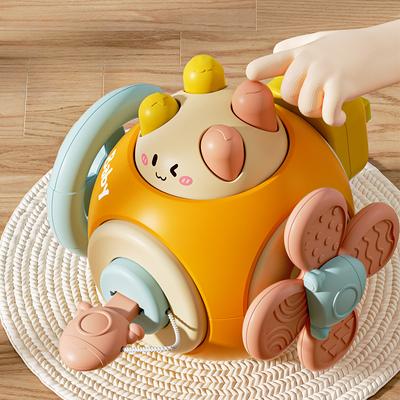
Tiny Tots Teens Trends Montessori Baby Training, Infant Puzzle Early Education Toys, Busy Hand Grasping Ball For Baby Montessori Baby Training, Infant Puzzle Early Education Toys, Busy Hand Grasping Ball For BabyIntroduce Your Baby to the World of Learning The Infant Puzzle Early Education Toys are designed to foster cognitive and physical development in your little one. This Multifunctional Busy Ball for Montessori Baby Training is ideal for enhancing...79,97 $*Shipping: 0,00 $Secure redirect to the provider
-
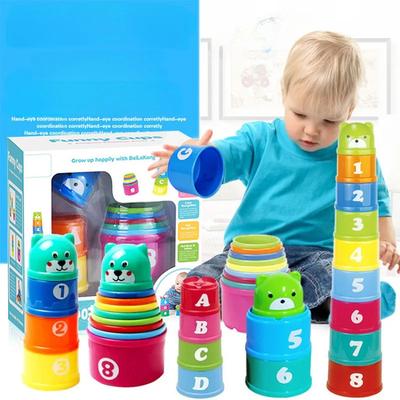
Modern Mode Marketplace Brain Response Battle Cup Set Fun Baby Stack Game For Early Education, Speed And HandEye Coordination Training Brain Response Battle Cup Set Fun Baby Stack Game For Early Education, Speed And HandEye Coordination TrainingUnlock your child's potential with the Brain Response Battle Cup Set! Perfect for young learners, this exciting game combines fun and education to develop handeye coordination and response speed. Ideal for babies and toddlers, it helps improve...29,97 $*Shipping: 0,00 $Secure redirect to the provider
-
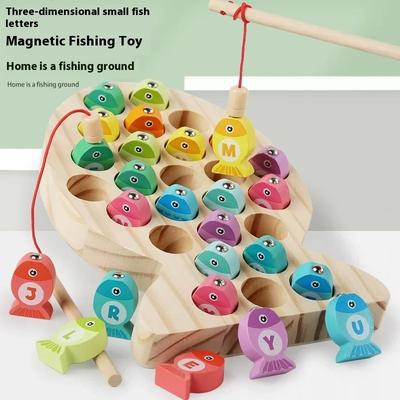
Inspire Select Wooden Montessori Fishing Toy Set Kids Number & Alphabet Learning Game For Early Education Training lettersMake learning fun and interactive with a playful educational experience. This Montessori fishing toy helps children develop essential skills while enjoying handson play. Designed for toddlers and young kids, this wooden learning toy combines...96,97 $*Shipping: 0,00 $Secure redirect to the provider
-
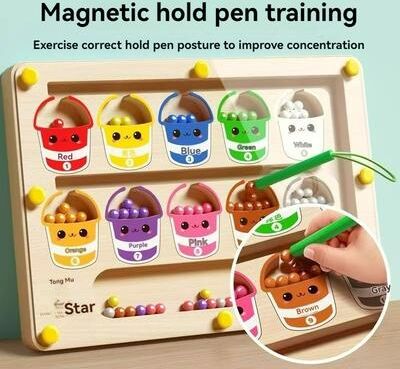
Multisell Products Hub Magnetic Maze Walking Ball, Children's Early Education Puzzle, Baby Concentration And Logic Thinking Training mediumImprove Concentration with Fun Learning: Introducing the Children's Magnetic Maze Walking Ball, an engaging tool that fosters your childs concentration and cognitive skills. This interactive game is designed to help develop logic thinking while...27,97 $*Shipping: 0,00 $Secure redirect to the provider
-
Are there monasteries without religion?
Monasteries are traditionally associated with religious practices and beliefs, so it is rare to find a monastery without religion. The purpose of a monastery is usually to provide a place for religious contemplation, prayer, and communal living according to the beliefs of a specific faith. However, there may be some instances where a monastery has been repurposed for non-religious activities or functions, but these would be exceptions rather than the norm. **
-
How did medieval monasteries originate?
Medieval monasteries originated in the early Christian period as a response to the growing popularity of asceticism and the desire for a more contemplative and disciplined way of life. The earliest monastic communities were established by individuals seeking to live a life of prayer, meditation, and simplicity, away from the distractions of the world. Over time, these communities grew in size and influence, leading to the development of formal monastic orders and the construction of monasteries as centers of religious life and learning. The monastic movement spread throughout Europe, with different orders and traditions emerging, each with its own rules and practices. **
-
How do monasteries die out?
Monasteries can die out for a variety of reasons. One common reason is a decline in the number of monks or nuns joining the monastery, leading to a lack of new members to sustain the community. Additionally, changes in societal attitudes and values can lead to a decrease in support for monastic life, resulting in a decline in resources and funding for the monastery. Economic challenges, such as a lack of financial sustainability or the loss of patronage, can also contribute to the decline and eventual closure of a monastery. Finally, internal conflicts, leadership issues, or a loss of spiritual vitality can also lead to the decline and eventual demise of a monastery. **
-
What do you think of monasteries?
Monasteries have a long history of providing a place for spiritual reflection, study, and communal living. They offer a peaceful environment for individuals seeking solitude and a deeper connection with their faith. Monasteries also often serve as centers of learning and preservation of cultural heritage. Overall, monasteries play a valuable role in society by promoting contemplation, education, and community service. **


Why do people go to monasteries?
People go to monasteries for a variety of reasons, including seeking spiritual guidance, finding peace and solitude, and engaging in religious practices and rituals. Monasteries offer a retreat from the distractions of everyday life, allowing individuals to focus on their spiritual growth and inner peace. Additionally, some people visit monasteries to learn from the wisdom and teachings of the monks and nuns who reside there, seeking to gain a deeper understanding of their faith and themselves. Overall, monasteries provide a space for individuals to connect with their spirituality and find a sense of purpose and meaning in their lives. **
What do people like about monasteries today?
Today, people are drawn to monasteries for a variety of reasons. Some appreciate the peaceful and serene environment, which provides a respite from the hustle and bustle of modern life. Others are interested in the spiritual and contemplative aspects of monastic life, seeking guidance and reflection. Additionally, many people are attracted to the historical and architectural significance of monasteries, as well as the opportunity to learn about the traditions and practices of the monks and nuns who reside there. Overall, monasteries offer a unique and enriching experience for those seeking a deeper connection to spirituality, history, and tranquility. **
Top-Angebote
Products related to Monasteries:
-
Uplifted Finds Interactive Ring Toss Training System Professional Early Education & Pediatric Fitness Infrastructure Interactive Ring Toss Training System Professional Early Education & Pediatric Fitness InfrastructureCommand ultimate developmental confidence with the Interactive Ring Toss Training System, a highperformance educational solution specifically engineered to act as a comprehensive tool for elite organization and superior technical ergonomics. Built...52,97 $*Shipping: 0,00 $Secure redirect to the provider
-
Tiny Tots Teens Trends Drawer Game Early Education Montessori Wooden Pitch Ball Box Preschool Learning Training Toy Drawer Game Early Education Montessori Wooden Pitch Ball Box Preschool Learning Training ToyThis Montessori Wooden Pitch Ball Box Drawer Game is a thoughtfully designed earlyeducation toy that transforms playtime into purposeful learning. Crafted for toddlers and preschoolers, it offers a handson, engaging way to support key developmental...39,97 $*Shipping: 0,00 $Secure redirect to the provider
-
Tiny Tots Teens Trends Montessori Baby Training, Infant Puzzle Early Education Toys, Busy Hand Grasping Ball For Baby Montessori Baby Training, Infant Puzzle Early Education Toys, Busy Hand Grasping Ball For BabyIntroduce Your Baby to the World of Learning The Infant Puzzle Early Education Toys are designed to foster cognitive and physical development in your little one. This Multifunctional Busy Ball for Montessori Baby Training is ideal for enhancing...79,97 $*Shipping: 0,00 $Secure redirect to the provider
-
Modern Mode Marketplace Brain Response Battle Cup Set Fun Baby Stack Game For Early Education, Speed And HandEye Coordination Training Brain Response Battle Cup Set Fun Baby Stack Game For Early Education, Speed And HandEye Coordination TrainingUnlock your child's potential with the Brain Response Battle Cup Set! Perfect for young learners, this exciting game combines fun and education to develop handeye coordination and response speed. Ideal for babies and toddlers, it helps improve...29,97 $*Shipping: 0,00 $Secure redirect to the provider
-
How did monasteries originate?
Monasteries originated in the early Christian era as communities of devout individuals seeking to live a life of prayer, meditation, and service to God. The concept of monasticism was influenced by the teachings of Jesus Christ and the examples set by early Christian ascetics. Monasteries provided a structured environment for monks and nuns to dedicate themselves fully to their spiritual pursuits, away from the distractions of the secular world. Over time, monasteries evolved into centers of learning, culture, and hospitality, playing a significant role in the spread of Christianity and the preservation of knowledge. **
-
Why were the medieval monasteries actually places of great education?
Medieval monasteries were places of great education because they were centers of learning and scholarship. Monks and nuns in these monasteries were often highly educated and dedicated to the pursuit of knowledge. They preserved and copied ancient texts, and many monasteries had extensive libraries. Monasteries also provided education to the surrounding communities, teaching reading, writing, and other practical skills. Additionally, they were often centers of scientific and medical knowledge, making significant contributions to the advancement of learning during the medieval period. **
-
Are there monasteries without religion?
Monasteries are traditionally associated with religious practices and beliefs, so it is rare to find a monastery without religion. The purpose of a monastery is usually to provide a place for religious contemplation, prayer, and communal living according to the beliefs of a specific faith. However, there may be some instances where a monastery has been repurposed for non-religious activities or functions, but these would be exceptions rather than the norm. **
-
How did medieval monasteries originate?
Medieval monasteries originated in the early Christian period as a response to the growing popularity of asceticism and the desire for a more contemplative and disciplined way of life. The earliest monastic communities were established by individuals seeking to live a life of prayer, meditation, and simplicity, away from the distractions of the world. Over time, these communities grew in size and influence, leading to the development of formal monastic orders and the construction of monasteries as centers of religious life and learning. The monastic movement spread throughout Europe, with different orders and traditions emerging, each with its own rules and practices. **
Similar search terms for Monasteries
-
Inspire Select Wooden Montessori Fishing Toy Set Kids Number & Alphabet Learning Game For Early Education Training lettersMake learning fun and interactive with a playful educational experience. This Montessori fishing toy helps children develop essential skills while enjoying handson play. Designed for toddlers and young kids, this wooden learning toy combines...96,97 $*Shipping: 0,00 $Secure redirect to the provider
-
Multisell Products Hub Magnetic Maze Walking Ball, Children's Early Education Puzzle, Baby Concentration And Logic Thinking Training mediumImprove Concentration with Fun Learning: Introducing the Children's Magnetic Maze Walking Ball, an engaging tool that fosters your childs concentration and cognitive skills. This interactive game is designed to help develop logic thinking while...27,97 $*Shipping: 0,00 $Secure redirect to the provider
-
Canva Pro Education - 1 year SubscriptionWhen you make a purchase, you will receive an e-mail to subscribe to Canva Education , which will give you access to all the professional features of Canva Pro + 1800 free neutral Instagram post templates Please note: Brand Kite and Canva AI are not included How to Copy a Project from Your Personal Canva Account to a Canva Pro Class Account Discover the power of professional design with our annual subscription to Canva Pro. With Canva Pro, you'll have access to a wide range of premium tools and resources that will allow you to create stunning visual content for your business, personal projects, and more. Here's what you can expect with a year of Canva Pro: Unlimited access to over 100 million premium resources: Images, video, audio, graphics, and more, all ready to be used in your projects. Customisable templates: Thousands of high-quality templates for every need, from presentations to social media posts, from flyers to business cards. Advanced design tools: Features such as one-click background removal, the creation of customised brand kits, and the ability to resize your designs with a single click. Real-time collaboration: Work together with your team, leaving comments and suggestions directly in the projects, for seamless collaboration. Direct publication on social media: Schedule and publish your content directly from Canva on all major social platforms. Unlimited cloud storage: Save and organise all your projects in one place, with unlimited space. Don't miss the opportunity to take your design to the next level. With Canva Pro, the possibilities are endless. Subscribe now and start creating like a pro! How come the licence is priced so low? We offer retail licences that are used and discontinued by the previous owner since the EC ruling C-128/2011. That is why you can purchase the official licence on our site at a cheaper price. This is a product in STUDENT Version.6,87 £*Shipping: 0,00 £Secure redirect to the provider
-
PrecisionPLAY Skills Trainer Ramp RebounderPrecisionPLAY Skills Trainer Ramp Rebounder packs several training options into one setup. The angled ramp sends the ball back at different heights and angles. Good for control, volleys and quick reactions.Behind the ramp, a rebound board returns passes straight to your feet. In the centre, a...129,95 £*Shipping: 0,00 £Secure redirect to the provider
-
How do monasteries die out?
Monasteries can die out for a variety of reasons. One common reason is a decline in the number of monks or nuns joining the monastery, leading to a lack of new members to sustain the community. Additionally, changes in societal attitudes and values can lead to a decrease in support for monastic life, resulting in a decline in resources and funding for the monastery. Economic challenges, such as a lack of financial sustainability or the loss of patronage, can also contribute to the decline and eventual closure of a monastery. Finally, internal conflicts, leadership issues, or a loss of spiritual vitality can also lead to the decline and eventual demise of a monastery. **
-
What do you think of monasteries?
Monasteries have a long history of providing a place for spiritual reflection, study, and communal living. They offer a peaceful environment for individuals seeking solitude and a deeper connection with their faith. Monasteries also often serve as centers of learning and preservation of cultural heritage. Overall, monasteries play a valuable role in society by promoting contemplation, education, and community service. **
-
Why do people go to monasteries?
People go to monasteries for a variety of reasons, including seeking spiritual guidance, finding peace and solitude, and engaging in religious practices and rituals. Monasteries offer a retreat from the distractions of everyday life, allowing individuals to focus on their spiritual growth and inner peace. Additionally, some people visit monasteries to learn from the wisdom and teachings of the monks and nuns who reside there, seeking to gain a deeper understanding of their faith and themselves. Overall, monasteries provide a space for individuals to connect with their spirituality and find a sense of purpose and meaning in their lives. **
-
What do people like about monasteries today?
Today, people are drawn to monasteries for a variety of reasons. Some appreciate the peaceful and serene environment, which provides a respite from the hustle and bustle of modern life. Others are interested in the spiritual and contemplative aspects of monastic life, seeking guidance and reflection. Additionally, many people are attracted to the historical and architectural significance of monasteries, as well as the opportunity to learn about the traditions and practices of the monks and nuns who reside there. Overall, monasteries offer a unique and enriching experience for those seeking a deeper connection to spirituality, history, and tranquility. **
* All prices are inclusive of VAT and, if applicable, plus shipping costs. The offer information is based on the details provided by the respective shop and is updated through automated processes. Real-time updates do not occur, so deviations can occur in individual cases. ** Note: Parts of this content were created by AI.