Buy esfa.eu ?
We are moving the project
esfa.eu .
Are you interested in purchasing the domain
esfa.eu ?
domain@kv-gmbh.de · 0541-91531010
Buy esfa.eu ?
How are high-voltage cables distributed?
High-voltage cables are distributed through a network of transmission lines and substations. The transmission lines carry the electricity over long distances from power plants to substations, where the voltage is then stepped down for distribution to homes and businesses. The cables are typically installed on tall transmission towers or underground to minimize interference and maximize efficiency. The distribution network is carefully planned and maintained to ensure reliable and safe delivery of electricity to consumers. **
Can the direct current cross-section be distributed across multiple cables?
Yes, direct current can be distributed across multiple cables. By connecting multiple cables in parallel, the total current can be divided among the cables, allowing for the distribution of the direct current across them. This method is commonly used in electrical systems to ensure that the current is evenly distributed and to prevent overloading of individual cables. **

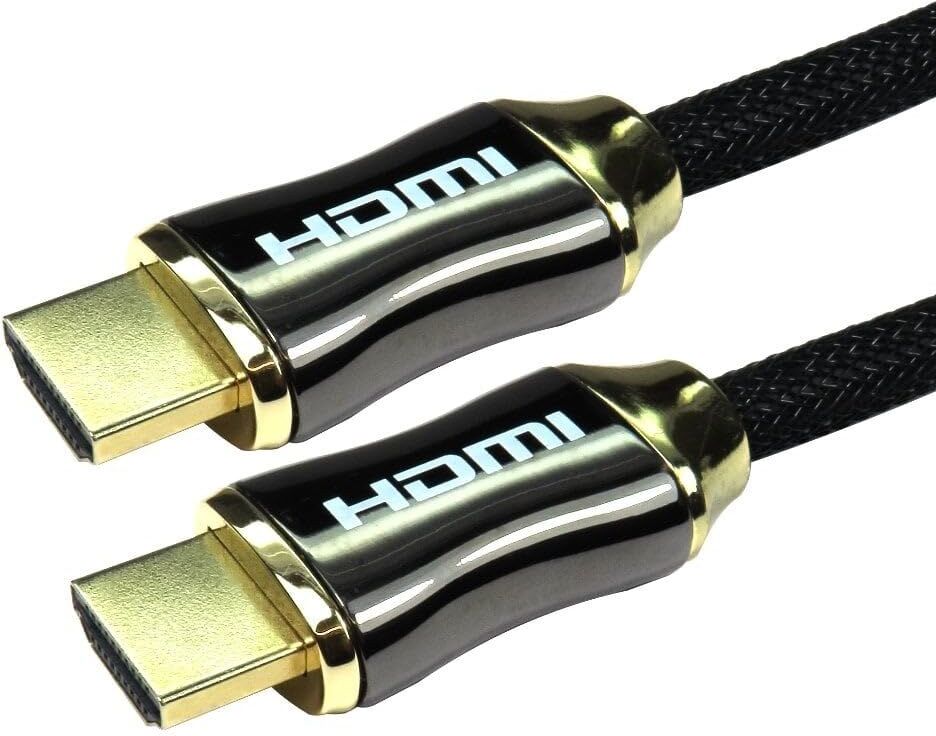
Similar search terms for Cables-Direct-10m-High
Top-Angebote
Products related to Cables-Direct-10m-High:
-
Cables Direct 10m CAT6 Patch Cable (Black)Cat-6, or Category 6 cable, is a network cable standard that supports Gigabit Ethernet and other protocols, maintaining compatibility with earlier Cat-5 and Cat-5e standards. It boasts stricter crosstalk and system noise specifications compared to its predecessors, delivering up to 250 MHz performance.16,99 £*Shipping: 0,00 £Secure redirect to the provider
-
Cables Direct 10m CAT5E Patch Cable (Red)Cat5e, a high-signal integrity twisted pair cable, is commonly known as Category 5e. Most are unshielded, using the twisted pair design for noise rejection, while some are shielded. It's frequently used in computer networks, like Ethernet.15,99 £*Shipping: 0,00 £Secure redirect to the provider


-
How do I determine the polarity of cables in direct current?
To determine the polarity of cables in direct current, you can use a multimeter set to the DC voltage setting. Connect the red probe to the positive terminal of the cable and the black probe to the negative terminal. If the multimeter shows a positive reading, then the red probe is connected to the positive terminal. If the reading is negative, then the red probe is connected to the negative terminal. This method helps you identify the polarity of the cables accurately. **
-
Can high-voltage direct current be converted into low-voltage direct current?
Yes, high-voltage direct current (HVDC) can be converted into low-voltage direct current (LVDC) using a device called a voltage converter or transformer. These devices can step down the voltage level of the DC power to a lower level suitable for specific applications. This conversion process is commonly used in various industries and applications where different voltage levels are required for different devices or systems. **
-
Why are high voltage cables so thin?
High voltage cables are thin because the high voltage they carry creates a strong electric field around the cable. Thinner cables reduce the amount of insulation needed to contain the electric field, making them more efficient and cost-effective. Additionally, thinner cables are lighter and easier to handle, making installation and maintenance easier. Finally, thinner cables also reduce the amount of material needed, making them more environmentally friendly. **
-
How can high-voltage cables be secured?
High-voltage cables can be secured using a variety of methods. One common way is to use cable clamps or brackets to fasten the cables to a structure such as a pole or a wall. Additionally, cable trays or cable ladders can be used to support and secure the cables along their route. It is important to ensure that the cables are properly supported and insulated to prevent any damage or safety hazards. Finally, regular inspections and maintenance should be conducted to ensure that the cables remain secure and in good condition. **

Do you need thicker cables for direct current than for alternating current?
No, you do not necessarily need thicker cables for direct current (DC) than for alternating current (AC). The current-carrying capacity of a cable is determined by factors such as the material, size, and insulation of the cable, as well as the voltage and current being carried. Both DC and AC have their own unique considerations when it comes to cable sizing, but the need for thicker cables is not inherently tied to the type of current being carried. It ultimately depends on the specific requirements of the electrical system and the application. **
What is better, the Abitur (high school diploma) or direct vocational training?
The answer to whether the Abitur (high school diploma) or direct vocational training is better depends on individual goals and preferences. The Abitur provides a broader education and opens up opportunities for further academic study at universities, while direct vocational training offers practical skills and experience in a specific field, leading to quicker entry into the workforce. Ultimately, the choice between the two depends on one's career aspirations, interests, and learning style. **
Top-Angebote
Products related to Cables-Direct-10m-High:
-
Cables Direct 10m CAT6 Patch Cable (Black)Cat-6, or Category 6 cable, is a network cable standard that supports Gigabit Ethernet and other protocols, maintaining compatibility with earlier Cat-5 and Cat-5e standards. It boasts stricter crosstalk and system noise specifications compared to its predecessors, delivering up to 250 MHz performance.16,99 £*Shipping: 0,00 £Secure redirect to the provider
-
How are high-voltage cables distributed?
High-voltage cables are distributed through a network of transmission lines and substations. The transmission lines carry the electricity over long distances from power plants to substations, where the voltage is then stepped down for distribution to homes and businesses. The cables are typically installed on tall transmission towers or underground to minimize interference and maximize efficiency. The distribution network is carefully planned and maintained to ensure reliable and safe delivery of electricity to consumers. **
-
Can the direct current cross-section be distributed across multiple cables?
Yes, direct current can be distributed across multiple cables. By connecting multiple cables in parallel, the total current can be divided among the cables, allowing for the distribution of the direct current across them. This method is commonly used in electrical systems to ensure that the current is evenly distributed and to prevent overloading of individual cables. **
-
How do I determine the polarity of cables in direct current?
To determine the polarity of cables in direct current, you can use a multimeter set to the DC voltage setting. Connect the red probe to the positive terminal of the cable and the black probe to the negative terminal. If the multimeter shows a positive reading, then the red probe is connected to the positive terminal. If the reading is negative, then the red probe is connected to the negative terminal. This method helps you identify the polarity of the cables accurately. **
-
Can high-voltage direct current be converted into low-voltage direct current?
Yes, high-voltage direct current (HVDC) can be converted into low-voltage direct current (LVDC) using a device called a voltage converter or transformer. These devices can step down the voltage level of the DC power to a lower level suitable for specific applications. This conversion process is commonly used in various industries and applications where different voltage levels are required for different devices or systems. **
Similar search terms for Cables-Direct-10m-High
-
Cables Direct 10m CAT5E Patch Cable (Red)Cat5e, a high-signal integrity twisted pair cable, is commonly known as Category 5e. Most are unshielded, using the twisted pair design for noise rejection, while some are shielded. It's frequently used in computer networks, like Ethernet.15,99 £*Shipping: 0,00 £Secure redirect to the provider
-
Cables Direct 10m CAT5E Patch Cable (Violet)Our budget-friendly 10/100 network cables deliver high performance at a lower cost, maintaining 4 unshielded twisted pairs. Note that while this meets CAT5e specifications, it uses CCA and is not suitable for POE applications.11,99 £*Shipping: 0,00 £Secure redirect to the provider
-
Cables Direct 10m CAT5E Patch Cable (Blue)Cables Direct 10m CAT5e Ethernet patch cable in blue with an RJ45 male connector at each end. Suitable for connecting computers, games consoles, routers, switches and other network devices on Fast and Gigabit Ethernet networks.15,99 £*Shipping: 0,00 £Secure redirect to the provider
-
Why are high voltage cables so thin?
High voltage cables are thin because the high voltage they carry creates a strong electric field around the cable. Thinner cables reduce the amount of insulation needed to contain the electric field, making them more efficient and cost-effective. Additionally, thinner cables are lighter and easier to handle, making installation and maintenance easier. Finally, thinner cables also reduce the amount of material needed, making them more environmentally friendly. **
-
How can high-voltage cables be secured?
High-voltage cables can be secured using a variety of methods. One common way is to use cable clamps or brackets to fasten the cables to a structure such as a pole or a wall. Additionally, cable trays or cable ladders can be used to support and secure the cables along their route. It is important to ensure that the cables are properly supported and insulated to prevent any damage or safety hazards. Finally, regular inspections and maintenance should be conducted to ensure that the cables remain secure and in good condition. **
-
Do you need thicker cables for direct current than for alternating current?
No, you do not necessarily need thicker cables for direct current (DC) than for alternating current (AC). The current-carrying capacity of a cable is determined by factors such as the material, size, and insulation of the cable, as well as the voltage and current being carried. Both DC and AC have their own unique considerations when it comes to cable sizing, but the need for thicker cables is not inherently tied to the type of current being carried. It ultimately depends on the specific requirements of the electrical system and the application. **
-
What is better, the Abitur (high school diploma) or direct vocational training?
The answer to whether the Abitur (high school diploma) or direct vocational training is better depends on individual goals and preferences. The Abitur provides a broader education and opens up opportunities for further academic study at universities, while direct vocational training offers practical skills and experience in a specific field, leading to quicker entry into the workforce. Ultimately, the choice between the two depends on one's career aspirations, interests, and learning style. **
* All prices are inclusive of VAT and, if applicable, plus shipping costs. The offer information is based on the details provided by the respective shop and is updated through automated processes. Real-time updates do not occur, so deviations can occur in individual cases. ** Note: Parts of this content were created by AI.