Buy esfa.eu ?
We are moving the project
esfa.eu .
Are you interested in purchasing the domain
esfa.eu ?
domain@kv-gmbh.de · 0541-91531010
Buy esfa.eu ?
How are fossils formed and what are fossils?
Fossils are the preserved remains or traces of ancient organisms, such as plants, animals, and other organisms, that lived in the distant past. Fossils are formed through a process called fossilization, which occurs when an organism is buried in sediment, such as mud or sand, and over time, the organic material is replaced by minerals. This process can create a replica of the original organism, preserving its structure and sometimes even its soft tissues. Fossils provide valuable information about the history of life on Earth and are important for understanding evolution and past environments. **
What is the difference between fossils and living fossils?
Fossils are the preserved remains or traces of organisms that lived in the past, typically found in rocks or sediment. They provide evidence of the existence of ancient life forms. Living fossils, on the other hand, are organisms that have remained relatively unchanged over long periods of time and are similar to their ancient ancestors. While fossils are the remains of organisms that have gone extinct, living fossils are species that have survived for millions of years with little or no change in their physical appearance. **


Similar search terms for Fossils
Top-Angebote
Products related to Fossils:
-
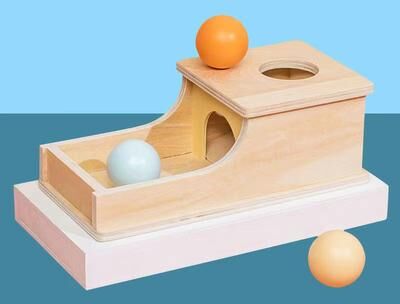
Tiny Tots Teens Trends Drawer Game Early Education Montessori Wooden Pitch Ball Box Preschool Learning Training Toy Drawer Game Early Education Montessori Wooden Pitch Ball Box Preschool Learning Training ToyThis Montessori Wooden Pitch Ball Box Drawer Game is a thoughtfully designed earlyeducation toy that transforms playtime into purposeful learning. Crafted for toddlers and preschoolers, it offers a handson, engaging way to support key developmental...39,97 $*Shipping: 0,00 $Secure redirect to the provider
-
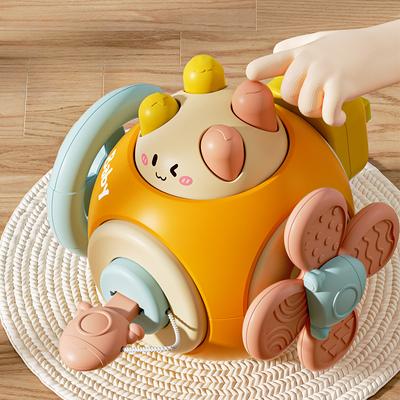
Tiny Tots Teens Trends Montessori Baby Training, Infant Puzzle Early Education Toys, Busy Hand Grasping Ball For Baby Montessori Baby Training, Infant Puzzle Early Education Toys, Busy Hand Grasping Ball For BabyIntroduce Your Baby to the World of Learning The Infant Puzzle Early Education Toys are designed to foster cognitive and physical development in your little one. This Multifunctional Busy Ball for Montessori Baby Training is ideal for enhancing...79,97 $*Shipping: 0,00 $Secure redirect to the provider
-
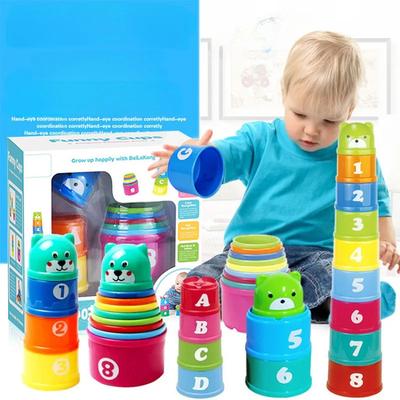
Modern Mode Marketplace Brain Response Battle Cup Set Fun Baby Stack Game For Early Education, Speed And HandEye Coordination Training Brain Response Battle Cup Set Fun Baby Stack Game For Early Education, Speed And HandEye Coordination TrainingUnlock your child's potential with the Brain Response Battle Cup Set! Perfect for young learners, this exciting game combines fun and education to develop handeye coordination and response speed. Ideal for babies and toddlers, it helps improve...29,97 $*Shipping: 0,00 $Secure redirect to the provider
-
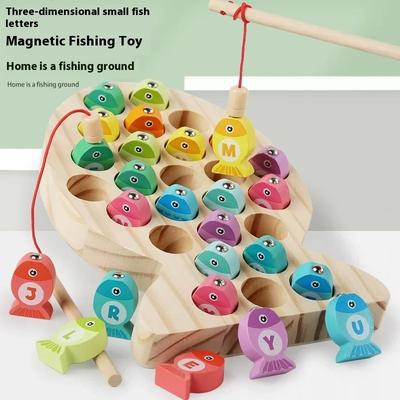
Inspire Select Wooden Montessori Fishing Toy Set Kids Number & Alphabet Learning Game For Early Education Training lettersMake learning fun and interactive with a playful educational experience. This Montessori fishing toy helps children develop essential skills while enjoying handson play. Designed for toddlers and young kids, this wooden learning toy combines...96,97 $*Shipping: 0,00 $Secure redirect to the provider
-
How accurate are fossils?
Fossils are generally considered to be quite accurate in providing information about past life forms and environments. They can give us insights into the anatomy, behavior, and evolutionary history of organisms that lived millions of years ago. However, there are limitations to their accuracy, as the fossilization process can be selective and not all organisms are preserved as fossils. Additionally, interpretation of fossils can sometimes be subjective and open to different interpretations. **
-
Are dinosaur fossils fake?
No, dinosaur fossils are not fake. Fossils are the preserved remains or traces of ancient organisms, and dinosaur fossils have been found all over the world by paleontologists. These fossils provide valuable information about the existence and characteristics of dinosaurs that lived millions of years ago. The study of dinosaur fossils has greatly contributed to our understanding of prehistoric life on Earth. **
-
Are seahorses living fossils?
Seahorses are not considered living fossils. While they have existed for millions of years and have remained relatively unchanged in terms of their unique body shape and characteristics, they have evolved and adapted to their environments over time. Living fossils typically refer to species that have remained virtually unchanged for millions of years, which is not the case for seahorses. **
-
What are living fossils?
Living fossils are organisms that have remained relatively unchanged over long periods of time, often millions of years. These organisms are often found in the fossil record and are thought to have been extinct, only to be discovered alive and well today. Living fossils provide valuable insights into the evolutionary history of life on Earth and can help scientists understand how certain species have been able to survive and adapt over time. Examples of living fossils include the coelacanth, horseshoe crab, and ginkgo tree. **


What are index fossils?
Index fossils are fossils of organisms that were widespread and lived for a relatively short period of time. These fossils are used by geologists and paleontologists to help determine the age of rock layers and the relative timing of geological events. Index fossils are particularly useful for correlating rock layers from different locations, as they provide a way to match up the ages of rocks based on the presence of the same fossil species. These fossils are important for understanding the Earth's history and for dating the timing of events in the geological record. **
What fossils are these?
These fossils are ammonite fossils. Ammonites were marine mollusks that lived during the time of the dinosaurs, around 240-65 million years ago. They had coiled shells with intricate patterns and are commonly found as fossils in sedimentary rocks. Ammonites are important for understanding ancient marine ecosystems and for dating rock layers. **
Top-Angebote
Products related to Fossils:
-
Uplifted Finds Interactive Ring Toss Training System Professional Early Education & Pediatric Fitness Infrastructure Interactive Ring Toss Training System Professional Early Education & Pediatric Fitness InfrastructureCommand ultimate developmental confidence with the Interactive Ring Toss Training System, a highperformance educational solution specifically engineered to act as a comprehensive tool for elite organization and superior technical ergonomics. Built...52,97 $*Shipping: 0,00 $Secure redirect to the provider
-
Tiny Tots Teens Trends Drawer Game Early Education Montessori Wooden Pitch Ball Box Preschool Learning Training Toy Drawer Game Early Education Montessori Wooden Pitch Ball Box Preschool Learning Training ToyThis Montessori Wooden Pitch Ball Box Drawer Game is a thoughtfully designed earlyeducation toy that transforms playtime into purposeful learning. Crafted for toddlers and preschoolers, it offers a handson, engaging way to support key developmental...39,97 $*Shipping: 0,00 $Secure redirect to the provider
-
Tiny Tots Teens Trends Montessori Baby Training, Infant Puzzle Early Education Toys, Busy Hand Grasping Ball For Baby Montessori Baby Training, Infant Puzzle Early Education Toys, Busy Hand Grasping Ball For BabyIntroduce Your Baby to the World of Learning The Infant Puzzle Early Education Toys are designed to foster cognitive and physical development in your little one. This Multifunctional Busy Ball for Montessori Baby Training is ideal for enhancing...79,97 $*Shipping: 0,00 $Secure redirect to the provider
-
How are fossils formed and what are fossils?
Fossils are the preserved remains or traces of ancient organisms, such as plants, animals, and other organisms, that lived in the distant past. Fossils are formed through a process called fossilization, which occurs when an organism is buried in sediment, such as mud or sand, and over time, the organic material is replaced by minerals. This process can create a replica of the original organism, preserving its structure and sometimes even its soft tissues. Fossils provide valuable information about the history of life on Earth and are important for understanding evolution and past environments. **
-
What is the difference between fossils and living fossils?
Fossils are the preserved remains or traces of organisms that lived in the past, typically found in rocks or sediment. They provide evidence of the existence of ancient life forms. Living fossils, on the other hand, are organisms that have remained relatively unchanged over long periods of time and are similar to their ancient ancestors. While fossils are the remains of organisms that have gone extinct, living fossils are species that have survived for millions of years with little or no change in their physical appearance. **
-
How accurate are fossils?
Fossils are generally considered to be quite accurate in providing information about past life forms and environments. They can give us insights into the anatomy, behavior, and evolutionary history of organisms that lived millions of years ago. However, there are limitations to their accuracy, as the fossilization process can be selective and not all organisms are preserved as fossils. Additionally, interpretation of fossils can sometimes be subjective and open to different interpretations. **
-
Are dinosaur fossils fake?
No, dinosaur fossils are not fake. Fossils are the preserved remains or traces of ancient organisms, and dinosaur fossils have been found all over the world by paleontologists. These fossils provide valuable information about the existence and characteristics of dinosaurs that lived millions of years ago. The study of dinosaur fossils has greatly contributed to our understanding of prehistoric life on Earth. **
Similar search terms for Fossils
-
Modern Mode Marketplace Brain Response Battle Cup Set Fun Baby Stack Game For Early Education, Speed And HandEye Coordination Training Brain Response Battle Cup Set Fun Baby Stack Game For Early Education, Speed And HandEye Coordination TrainingUnlock your child's potential with the Brain Response Battle Cup Set! Perfect for young learners, this exciting game combines fun and education to develop handeye coordination and response speed. Ideal for babies and toddlers, it helps improve...29,97 $*Shipping: 0,00 $Secure redirect to the provider
-
Inspire Select Wooden Montessori Fishing Toy Set Kids Number & Alphabet Learning Game For Early Education Training lettersMake learning fun and interactive with a playful educational experience. This Montessori fishing toy helps children develop essential skills while enjoying handson play. Designed for toddlers and young kids, this wooden learning toy combines...96,97 $*Shipping: 0,00 $Secure redirect to the provider
-
Multisell Products Hub Magnetic Maze Walking Ball, Children's Early Education Puzzle, Baby Concentration And Logic Thinking Training largeImprove Concentration with Fun Learning: Introducing the Children's Magnetic Maze Walking Ball, an engaging tool that fosters your childs concentration and cognitive skills. This interactive game is designed to help develop logic thinking while...29,97 $*Shipping: 0,00 $Secure redirect to the provider
-
Football Flick Urban Skills Training Rebounder and Net Black & Orange 75cm H X 80cm W X 120cm DThe Flick Urban Skills Trainer is the number one piece of equipment you need for your garden or football club. The unique design is scientifically proven to improve your core skills by up to 73%. Pass the ball to the front ramp and watch the ball come back to you at different heights and angles. Use the rebounder net on the reverse side to improve your touch and control or use the net in the middle of the trainer as a target to help your accuracy. The tunnel that runs through the rebounder ensures your passing improves over time. The Urban skills trainer has been designed to be used individually but has also helped hundreds of football coaches develop players at academy and professional level. The double sided rebounder is perfect for players of all abilities and provides the perfect mixture of training and fun. When you’re finished with your Skills Trainer, simply fold it down flat and store it in its very own carry bag. Football Flick114,99 £*Shipping: 0,00 £Secure redirect to the provider
-
Are seahorses living fossils?
Seahorses are not considered living fossils. While they have existed for millions of years and have remained relatively unchanged in terms of their unique body shape and characteristics, they have evolved and adapted to their environments over time. Living fossils typically refer to species that have remained virtually unchanged for millions of years, which is not the case for seahorses. **
-
What are living fossils?
Living fossils are organisms that have remained relatively unchanged over long periods of time, often millions of years. These organisms are often found in the fossil record and are thought to have been extinct, only to be discovered alive and well today. Living fossils provide valuable insights into the evolutionary history of life on Earth and can help scientists understand how certain species have been able to survive and adapt over time. Examples of living fossils include the coelacanth, horseshoe crab, and ginkgo tree. **
-
What are index fossils?
Index fossils are fossils of organisms that were widespread and lived for a relatively short period of time. These fossils are used by geologists and paleontologists to help determine the age of rock layers and the relative timing of geological events. Index fossils are particularly useful for correlating rock layers from different locations, as they provide a way to match up the ages of rocks based on the presence of the same fossil species. These fossils are important for understanding the Earth's history and for dating the timing of events in the geological record. **
-
What fossils are these?
These fossils are ammonite fossils. Ammonites were marine mollusks that lived during the time of the dinosaurs, around 240-65 million years ago. They had coiled shells with intricate patterns and are commonly found as fossils in sedimentary rocks. Ammonites are important for understanding ancient marine ecosystems and for dating rock layers. **
* All prices are inclusive of VAT and, if applicable, plus shipping costs. The offer information is based on the details provided by the respective shop and is updated through automated processes. Real-time updates do not occur, so deviations can occur in individual cases. ** Note: Parts of this content were created by AI.