Buy esfa.eu ?
We are moving the project
esfa.eu .
Are you interested in purchasing the domain
esfa.eu ?
domain@kv-gmbh.de · 0541-91531010
Buy esfa.eu ?
How do I remove the cylinder head on the Deutz D25?
To remove the cylinder head on the Deutz D25, you will first need to disconnect the battery and drain the coolant from the engine. Then, remove the intake and exhaust manifolds, as well as any other components that may be obstructing access to the cylinder head. Next, loosen and remove the cylinder head bolts in a crisscross pattern to prevent warping. Once the bolts are removed, carefully lift the cylinder head off the engine block, being mindful of any remaining gaskets or seals. Finally, inspect the cylinder head and block for any damage or wear, and replace any necessary components before reassembly. **
What is the correct grammar for cables with 2 male Schuko plugs?
The correct grammar for cables with 2 male Schuko plugs is "dual male Schuko plug cable." This phrasing clearly indicates that the cable has two male Schuko plugs. **
Similar search terms for Solent-Cables-D25-Male
Top-Angebote
Products related to Solent-Cables-D25-Male:
-
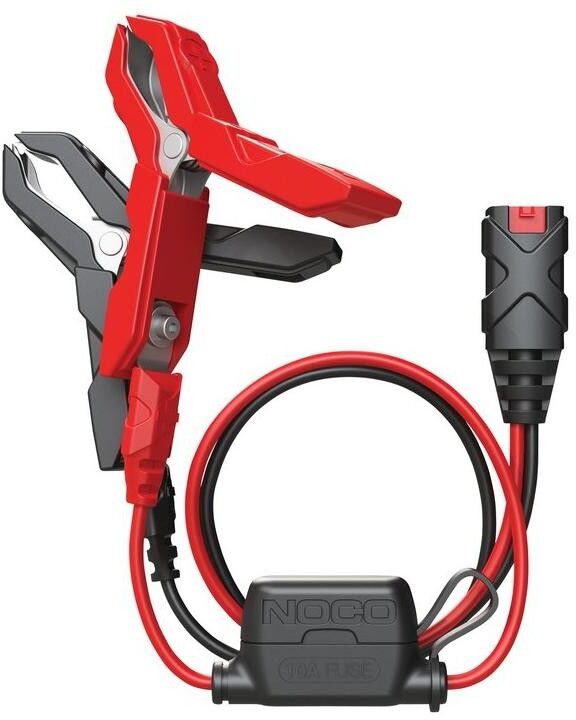
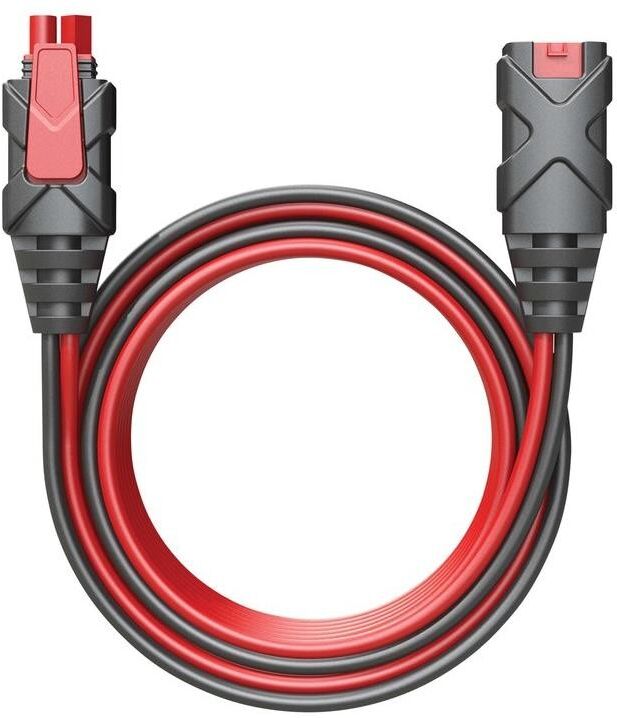
NOCO GBC010 Jumper cablesVersion: Accessory Kit; Quantity: 1; for starter battery voltage (DC) [V]: 12; Product line: GBC010; Length [cm]: 61; Length incl. plug [cm]: 78.8; Supplementary Article / Supplementary Info Info 2: with cigarette lighter plug; Registration Type: FCC approved; Adapter enclosed: XGC Female 12V; Manufacturer Restriction: for GB70 GB150 GB25028,49 £*Shipping: 8,45 £Secure redirect to the provider
-
GYS 056404 Jumper cablesCurrent Strength to [A]: 700; Vehicle type: Passenger cars; Material: Copper; Length [m]: 4.5; Cable Cross Section [mm²]: 35; suited for engine type: Diesel, Petrol Engine; Supplementary Article / Supplementary Info Info 2: with overvoltage protection106,99 £*Shipping: 8,45 £Secure redirect to the provider
-
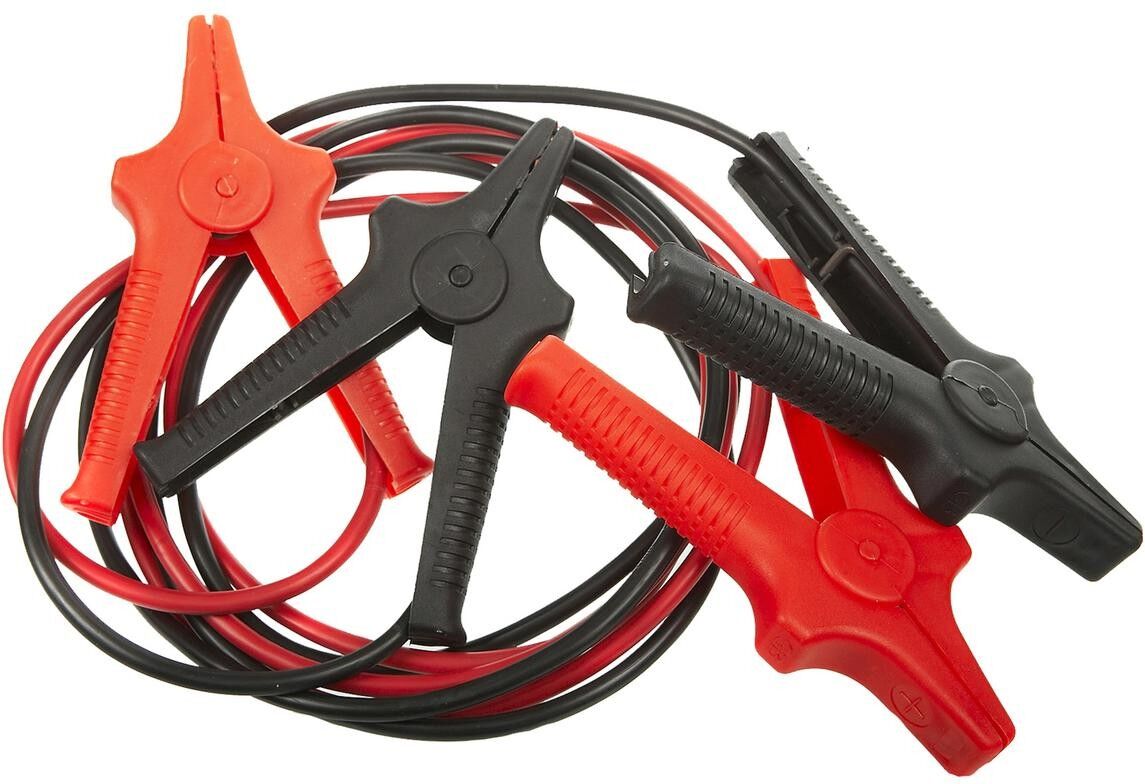
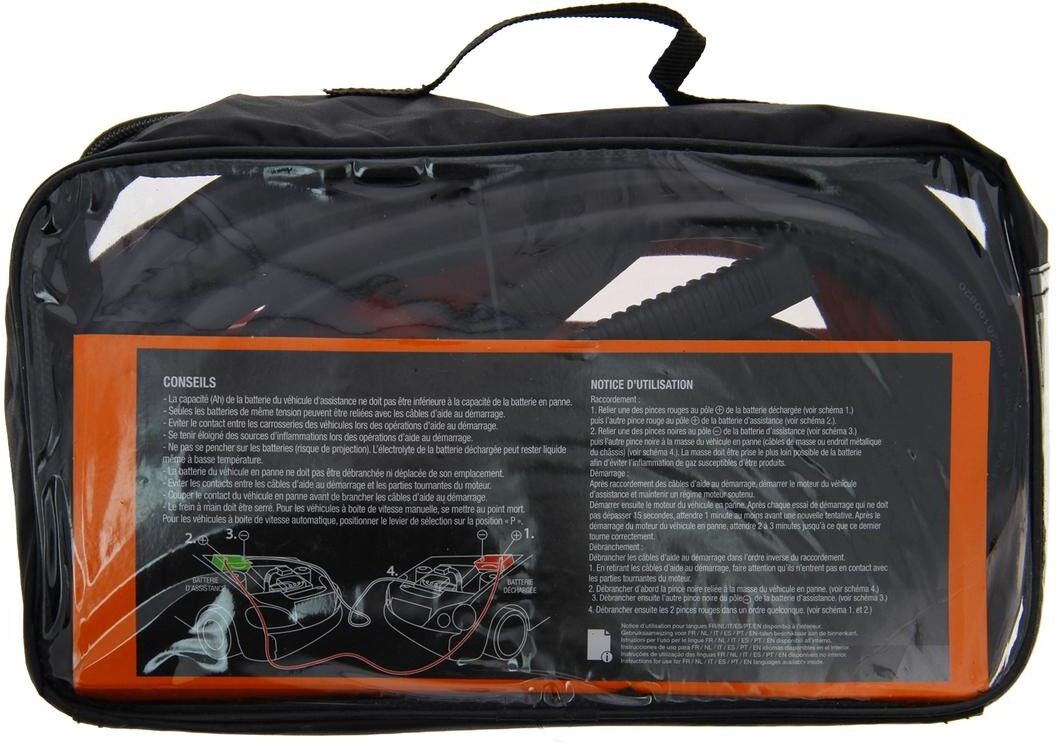
XL 551030 Jumper cablesLength [m]: 2.5; Material: Copper; for petrol engines to capacity [ccm]: 1500; Insulated: ; Supplementary Article / Supplementary Info Info 2: with storage bag, with overvoltage protection; Vehicle type: Passenger cars; Cable Cross Section [mm²]: 10; suited for engine type: Petrol Engine33,49 £*Shipping: 8,45 £Secure redirect to the provider
-
XL 551031 Jumper cablesLength [m]: 3; Material: Copper; for petrol engines to capacity [ccm]: 2500; Insulated: ; Supplementary Article / Supplementary Info Info 2: with storage bag, with overvoltage protection; Vehicle type: Passenger cars; Cable Cross Section [mm²]: 16; suited for engine type: Petrol Engine46,99 £*Shipping: 8,45 £Secure redirect to the provider


-
What is the difference between copper cables, twisted-pair cables, fiber optic cables, and coaxial cables?
Copper cables are made of copper wire and are commonly used for transmitting electrical signals. Twisted-pair cables consist of pairs of insulated copper wires twisted together, which helps reduce electromagnetic interference. Fiber optic cables use thin strands of glass or plastic to transmit data using light pulses, allowing for high-speed and long-distance transmission. Coaxial cables have a central conductor surrounded by an insulating layer, a conductive shield, and an outer insulating layer, and are commonly used for cable television and internet connections. Each type of cable has its own advantages and is used for different purposes based on their unique characteristics. **
-
Why do RCA cables have two cables?
RCA cables have two cables, one for the left audio channel and one for the right audio channel. This allows for stereo sound to be transmitted from one device to another. By having separate cables for each channel, RCA cables can maintain the integrity of the stereo signal and provide a better audio experience. **
-
"Use regular cables instead of solar cables?"
Regular cables are typically used for general electrical applications, while solar cables are specifically designed for use in solar power systems. Solar cables are designed to withstand the unique environmental conditions and high temperatures associated with solar installations, making them more suitable for these applications. Using regular cables instead of solar cables in a solar power system may result in reduced efficiency, increased risk of damage, and potential safety hazards. Therefore, it is recommended to use solar cables specifically designed for solar power systems to ensure optimal performance and safety. **
-
Can I throw old cables like laptop cables, phone cables, and printer cables in the regular household waste?
No, it is not recommended to throw old cables like laptop cables, phone cables, and printer cables in the regular household waste. These cables often contain materials that can be harmful to the environment if not disposed of properly. It is best to recycle these cables at a designated electronic waste recycling facility to ensure that they are disposed of in an environmentally friendly manner. Many communities have specific drop-off locations for electronic waste recycling. **
Which cables?
The cables being referred to could vary depending on the context. It could be power cables used to supply electricity to devices, data cables used to transfer information between devices, or networking cables used to connect devices to a network. The specific type of cable would depend on the purpose and requirements of the connection. **
Can telephone cables be used as antenna cables?
No, telephone cables are not designed to be used as antenna cables. Antenna cables are specifically designed to carry radio frequency signals, while telephone cables are designed for carrying voice signals. Using telephone cables as antenna cables can result in poor signal quality and interference, as they are not optimized for the frequency ranges used by antennas. It is important to use the appropriate cables for their intended purpose to ensure optimal performance. **
Top-Angebote
Products related to Solent-Cables-D25-Male:
-
NOCO GBC010 Jumper cablesVersion: Accessory Kit; Quantity: 1; for starter battery voltage (DC) [V]: 12; Product line: GBC010; Length [cm]: 61; Length incl. plug [cm]: 78.8; Supplementary Article / Supplementary Info Info 2: with cigarette lighter plug; Registration Type: FCC approved; Adapter enclosed: XGC Female 12V; Manufacturer Restriction: for GB70 GB150 GB25028,49 £*Shipping: 8,45 £Secure redirect to the provider
-
GYS 056404 Jumper cablesCurrent Strength to [A]: 700; Vehicle type: Passenger cars; Material: Copper; Length [m]: 4.5; Cable Cross Section [mm²]: 35; suited for engine type: Diesel, Petrol Engine; Supplementary Article / Supplementary Info Info 2: with overvoltage protection106,99 £*Shipping: 8,45 £Secure redirect to the provider
-
How do I remove the cylinder head on the Deutz D25?
To remove the cylinder head on the Deutz D25, you will first need to disconnect the battery and drain the coolant from the engine. Then, remove the intake and exhaust manifolds, as well as any other components that may be obstructing access to the cylinder head. Next, loosen and remove the cylinder head bolts in a crisscross pattern to prevent warping. Once the bolts are removed, carefully lift the cylinder head off the engine block, being mindful of any remaining gaskets or seals. Finally, inspect the cylinder head and block for any damage or wear, and replace any necessary components before reassembly. **
-
What is the correct grammar for cables with 2 male Schuko plugs?
The correct grammar for cables with 2 male Schuko plugs is "dual male Schuko plug cable." This phrasing clearly indicates that the cable has two male Schuko plugs. **
-
What is the difference between copper cables, twisted-pair cables, fiber optic cables, and coaxial cables?
Copper cables are made of copper wire and are commonly used for transmitting electrical signals. Twisted-pair cables consist of pairs of insulated copper wires twisted together, which helps reduce electromagnetic interference. Fiber optic cables use thin strands of glass or plastic to transmit data using light pulses, allowing for high-speed and long-distance transmission. Coaxial cables have a central conductor surrounded by an insulating layer, a conductive shield, and an outer insulating layer, and are commonly used for cable television and internet connections. Each type of cable has its own advantages and is used for different purposes based on their unique characteristics. **
-
Why do RCA cables have two cables?
RCA cables have two cables, one for the left audio channel and one for the right audio channel. This allows for stereo sound to be transmitted from one device to another. By having separate cables for each channel, RCA cables can maintain the integrity of the stereo signal and provide a better audio experience. **
Similar search terms for Solent-Cables-D25-Male
-
XL 551030 Jumper cablesLength [m]: 2.5; Material: Copper; for petrol engines to capacity [ccm]: 1500; Insulated: ; Supplementary Article / Supplementary Info Info 2: with storage bag, with overvoltage protection; Vehicle type: Passenger cars; Cable Cross Section [mm²]: 10; suited for engine type: Petrol Engine33,49 £*Shipping: 8,45 £Secure redirect to the provider
-
XL 551031 Jumper cablesLength [m]: 3; Material: Copper; for petrol engines to capacity [ccm]: 2500; Insulated: ; Supplementary Article / Supplementary Info Info 2: with storage bag, with overvoltage protection; Vehicle type: Passenger cars; Cable Cross Section [mm²]: 16; suited for engine type: Petrol Engine46,99 £*Shipping: 8,45 £Secure redirect to the provider
-
XL 551032 Jumper cablesLength [m]: 3.5; Material: Copper; for petrol engines to capacity [ccm]: 5500; for diesel engines to capacity [ccm]: 3000; Insulated: ; Supplementary Article / Supplementary Info Info 2: with storage bag, with overvoltage protection; Vehicle type: Passenger cars; Cable Cross Section [mm²]: 25; suited for engine type: Diesel, Petrol Engine69,99 £*Shipping: 8,45 £Secure redirect to the provider
-
XL 551045 Jumper cablesQuantity: 2; Supplementary Article / Supplementary Info Info 2: with storage bag, with overvoltage protection; Material: Copper; Length [m]: 4.5; Cable Cross Section [mm²]: 35; suited for engine type: Diesel, Petrol Engine75,49 £*Shipping: 8,45 £Secure redirect to the provider
-
"Use regular cables instead of solar cables?"
Regular cables are typically used for general electrical applications, while solar cables are specifically designed for use in solar power systems. Solar cables are designed to withstand the unique environmental conditions and high temperatures associated with solar installations, making them more suitable for these applications. Using regular cables instead of solar cables in a solar power system may result in reduced efficiency, increased risk of damage, and potential safety hazards. Therefore, it is recommended to use solar cables specifically designed for solar power systems to ensure optimal performance and safety. **
-
Can I throw old cables like laptop cables, phone cables, and printer cables in the regular household waste?
No, it is not recommended to throw old cables like laptop cables, phone cables, and printer cables in the regular household waste. These cables often contain materials that can be harmful to the environment if not disposed of properly. It is best to recycle these cables at a designated electronic waste recycling facility to ensure that they are disposed of in an environmentally friendly manner. Many communities have specific drop-off locations for electronic waste recycling. **
-
Which cables?
The cables being referred to could vary depending on the context. It could be power cables used to supply electricity to devices, data cables used to transfer information between devices, or networking cables used to connect devices to a network. The specific type of cable would depend on the purpose and requirements of the connection. **
-
Can telephone cables be used as antenna cables?
No, telephone cables are not designed to be used as antenna cables. Antenna cables are specifically designed to carry radio frequency signals, while telephone cables are designed for carrying voice signals. Using telephone cables as antenna cables can result in poor signal quality and interference, as they are not optimized for the frequency ranges used by antennas. It is important to use the appropriate cables for their intended purpose to ensure optimal performance. **
* All prices are inclusive of VAT and, if applicable, plus shipping costs. The offer information is based on the details provided by the respective shop and is updated through automated processes. Real-time updates do not occur, so deviations can occur in individual cases. ** Note: Parts of this content were created by AI.